biosensor.cz
 Welcome at the website of
Petr Skládal
Professor of Biochemistry, independent researcher in the fields of biosensors, bioanalytical chemistry and nanobiotechnology.
Focused on the biosensor principles, development, applications, teaching courses, related devices and software design, with 40 years of professional experience.
Research activities
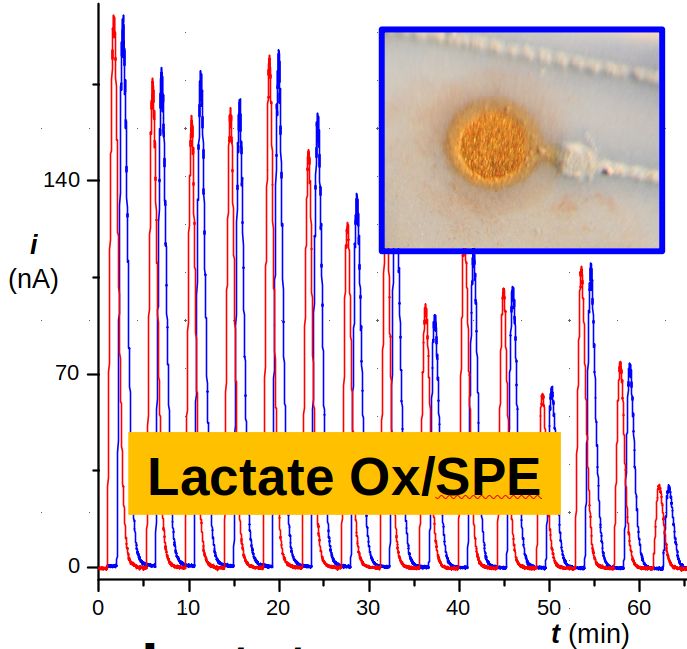 Amperometric enzyme electrodes represent the oldest activity. Initially, I have started with immobilized tyrosinase and its inhibition. Similar long-lasting (perhaps neverending...) research focused on the inhibition of cholinesterases and applications relevant to detection of organophosphate and carbamate insecticides in environmental samples, and nerve agents in the military area.
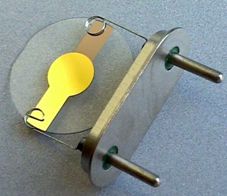 Piezoelectric (bio)sensors are studied from the early 90. years. Initially, it served as an economic alternative to the popular (and overprized...) surface plasmon resonance systems. These mass-sensitive devices can be developed in laboratory and used for general bioanalytical sensing applications. It represented also very useful tool for characterization of kinetics of affinity interactions. Later, it helped to elucidate processes linked to formation and morphological changes of cellular and other biolayers, where viscoelasticity plays the major role.
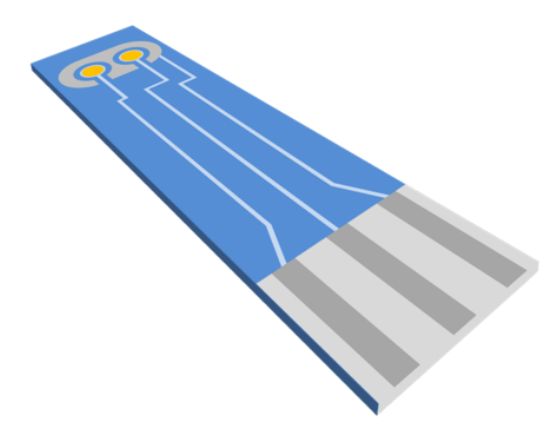 Mass produced electrodes are the basic requirement for successful application of electrochemical techniques in bioanalysis; I never enjoyed the careful cleaning and preparation of classic electrode surfaces. Therefore, we have very early adopted screen-printed electrodes, made our designs and utilized the services of smart local producers. In the recent years, the printed circuit-based technology was implemented, too.
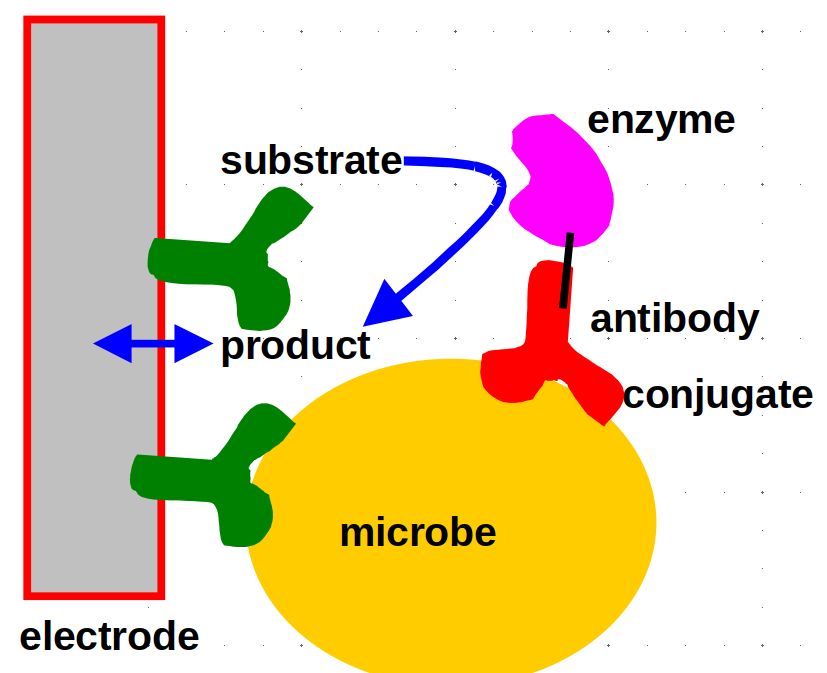 Immunosensors, especially the electrochemical types, are based on antibodies immobilized at the sensing surface. We utilized mostly enzyme labels for signal generation, applications are focused on clinical biomarkers, toxins and pollutants, and microbial pathogens. Alternatively, piezoelectric and optical transducers were implemented, too. However, no big success with nanomechanical approaches was achieved.
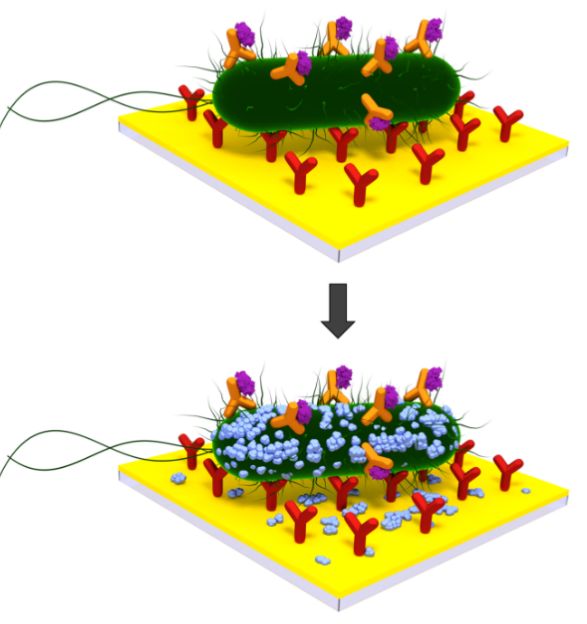 Surface plasmon resonance systems became indispensable tools for biochemical interaction studies. We have employed different commercial devices - starting from Spreeta (portable almost hand-held system), IAsys (resonant mirror-based, stirred cell, I like it most, but nobody provided resources to buy it), Biacores (most sensitive, nicely automated, rather delicate to operate), and Bionavis (perhaps robust). To summarize - all are nice to play with, but expensive for maintenance and service...
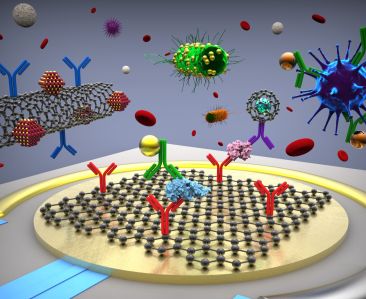 Nanomaterials seem to rule the biosensing at present. Well, we have tried to take some share, too. Activities include metal nanoparticles, graphene for some limited time, magnetic nanoparticles, and quantum dots. Some participation on our colleagues' research on photon up-conversion nanoparticles and the associated single-molecule (well, better individual molecule) biosensing and digital affinity techniques.
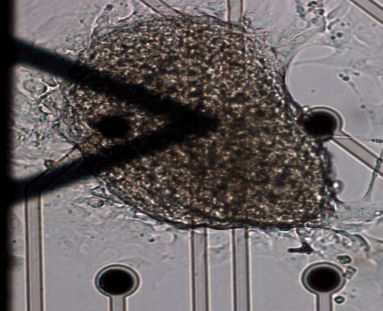 Nanomechanical sensors are based on the atomic force microscopy system utilized for static deflection measurements. This was successfully combined with beating cardiomyocyte layers and clusters, resulting in the "heart-on-chip" system. The main advantage - real-time measurement of the beating force - mechanocardiograms, optionally combined with microelectrode array for simultaneous recording of electric activity. Of course, optical microscope shows what is happening, too.